50 Years of Expertise
With more than five decades of experience, we are trusted leaders in the global bicycle and bicycle parts industry.
Full Eastman India bicycle line-up — MTB, city, road and kids models from our export catalogue.
Heavy-duty Indian bicycle components — trusted local manufacturing and weather-resistant coating.
High-precision engineered parts — lightweight alloy materials and modern aerodynamic design.
Eastman Industries Limited, where tradition meets innovation in the cycling world! Founded in 1970 by Mr. J.R. Singal, we have evolved from a local manufacturer in Ludhiana, India, into a global leader in bicycle and bicycle parts exports.
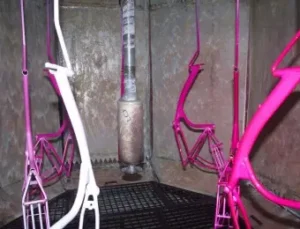
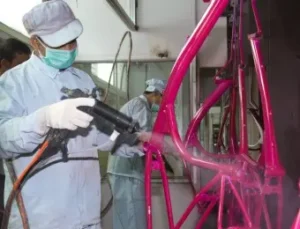
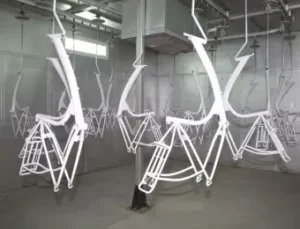
As a Three Star Export House recognized by the Ministry of Commerce and Industry, our commitment to excellence is reflected in ISO 9001, EN 14766, BSCI, AEO, and ZED certifications — including a fully automatic disc paint plant.
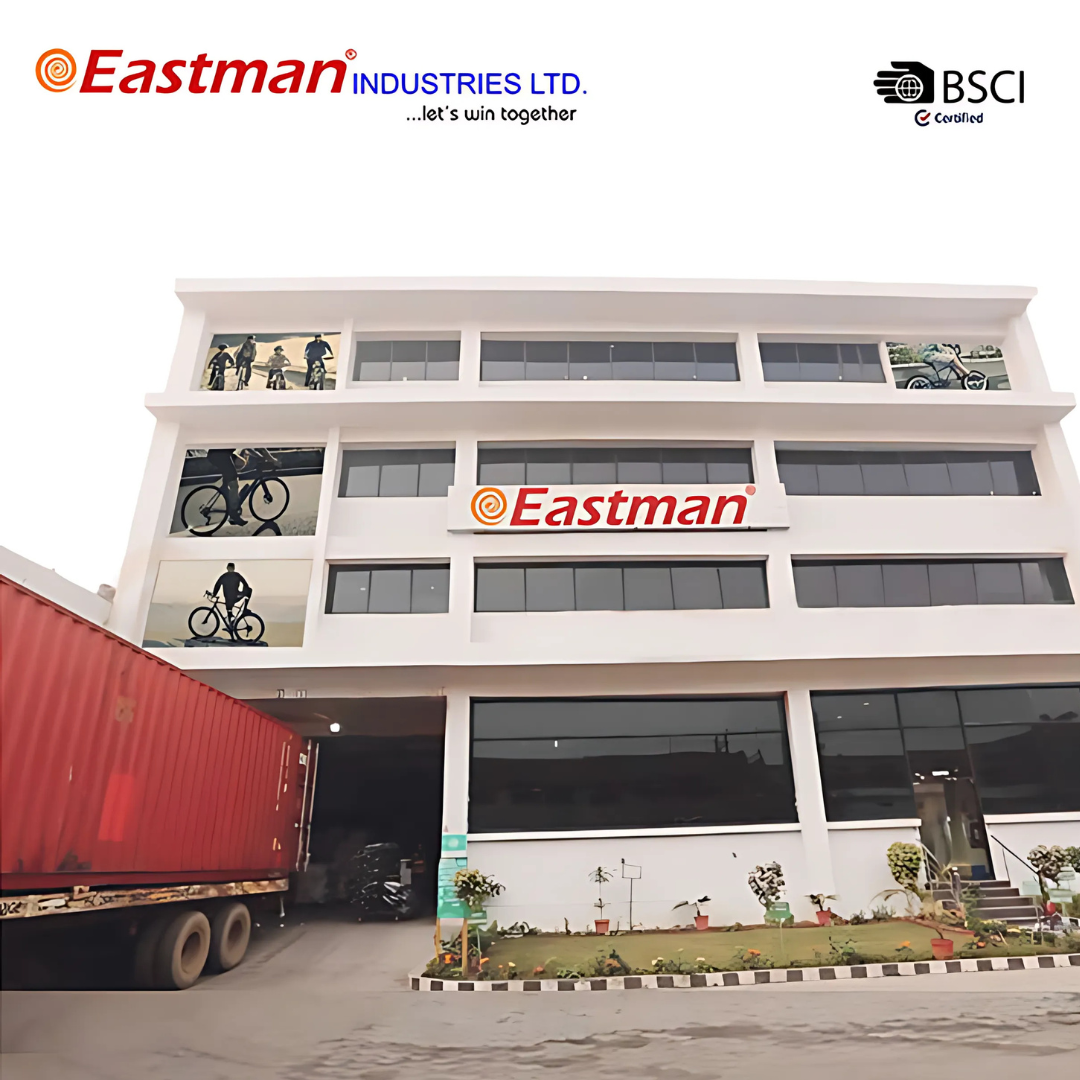
With more than five decades of experience, we are trusted leaders in the global bicycle and bicycle parts industry.
We export to 30+ countries across Latin America, Europe, Asia and beyond — top-quality products with reliable delivery.
Recognised by the Government of India as a Three Star Export House in 2024, a testament to our export performance.
Our products meet the highest standards with ISO 9001, EN 14766, BSCI and ZED certifications.
We operate a fully automatic disc paint plant, ensuring precision, durability and an advanced finish.
Customised bicycle parts solutions for importers, wholesalers, distributors and dealers.
Equipped with advanced manufacturing facilities, a fully automatic disc paint plant and global certifications, Eastman ensures high-quality production and seamless global operations.
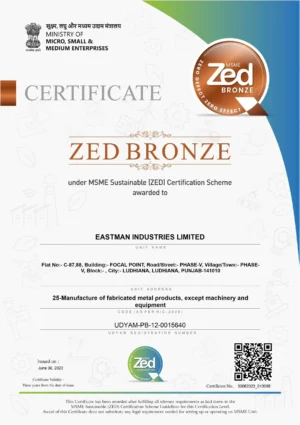
The Zero Defect Zero Effect certification reflects our commitment to sustainable manufacturing.
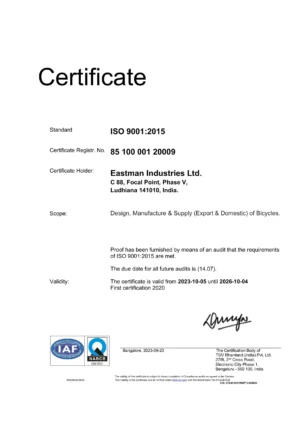
A global standard for quality management, ensuring we meet customer needs and enhance satisfaction.
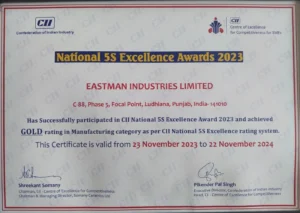
Recognises our commitment to workplace organisation and continuous improvement.
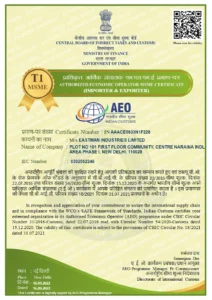
Authorised Economic Operator status for compliant, secure and smooth international trade.
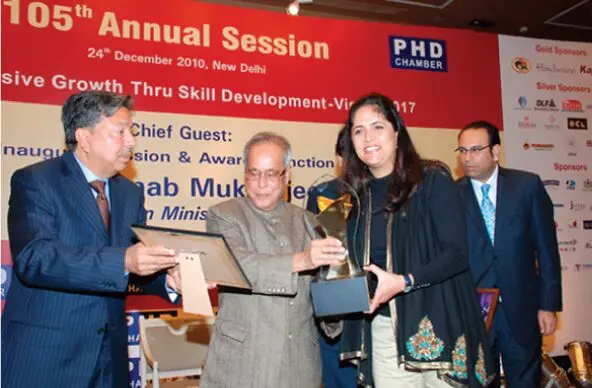
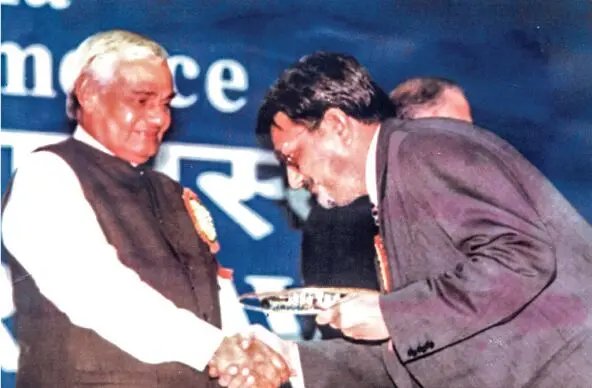
"Eastman has been our reliable bicycle parts supplier for years. Consistent quality and on-time shipping to Latin America every single time."
"The range is huge and the team understands B2B needs. Their certifications gave us full confidence to distribute across Brazil."
"From enquiry to delivery, everything is smooth. Competitive bulk pricing and excellent support — a trusted long-term partner."
Eastman Industries Limited exports bicycles and parts across Latin America, Europe, Asia and beyond. Select your market below or explore dedicated country pages for B2B supply information.
Explore Export MarketsOur export markets
B2B tips, export updates and industry insights for bicycle parts buyers.
MOQ, documentation, shipping timelines and choosing between Eastman India and China ranges for your market.
View all articles →Why certified manufacturing matters for B2B bicycle supply — and how Eastman meets global compliance standards.
View certifications →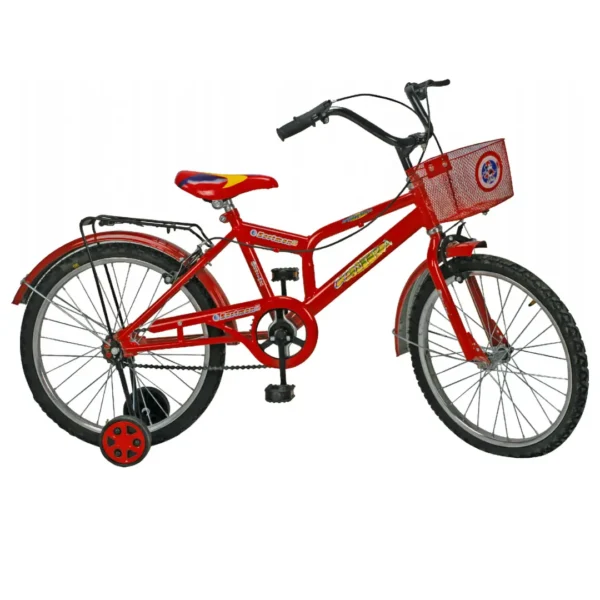
From saddles and hubs to complete bicycles — how to curate a profitable B2B product range with Eastman.
Browse full catalogue →Share your export requirements and our team will respond with pricing, MOQ and lead times.