Complete programmes
Bicycles
MTB, city, kids and BMX — container-ready complete bicycle ranges from India.
Browse BicyclesBrowse complete bicycles or bicycle parts — export catalogues from one desk.
MTB, city, kids and BMX — container-ready complete bicycle ranges from India.
Browse BicyclesIndia and China ranges — pedals, saddles, hubs, brakes, frames and more.
Browse Bicycle PartsCurated export programmes — MTB, city, kids and more.
Categories for B2B export — factory-made in Ludhiana.
China-range categories for volume programmes.
Tell us origin preference, destination and approximate volume — FOB/CIF options for complete bicycles and parts.
Container-based export orders • mixed products available.
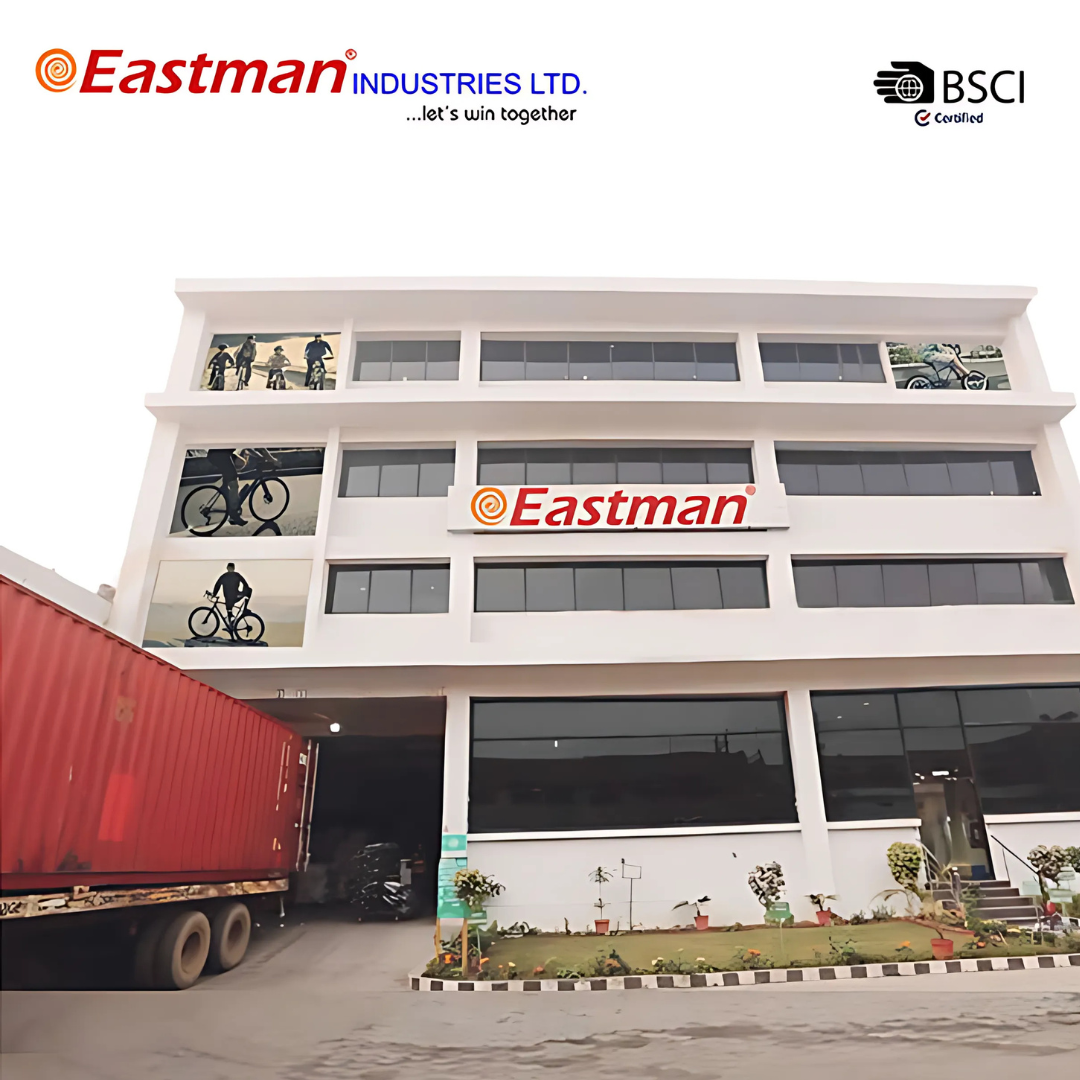
Eastman Industries Limited — where tradition meets innovation in the cycling world. Founded in 1970 by Mr. J.R. Singal, we have grown from a Ludhiana manufacturer into a global exporter of complete bicycles and bicycle parts.
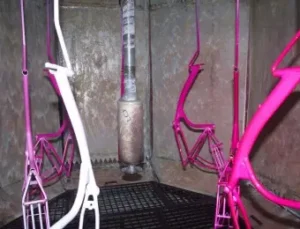
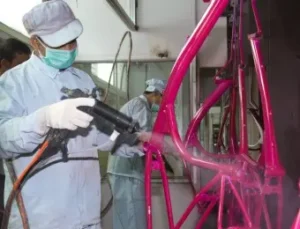
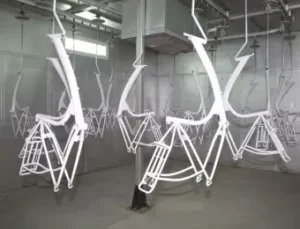
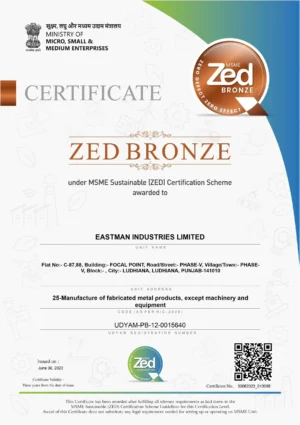
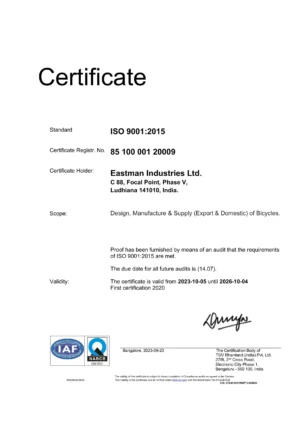
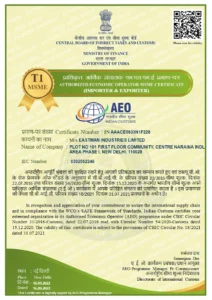
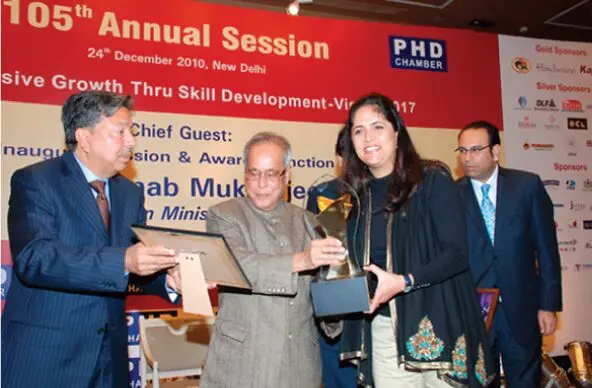
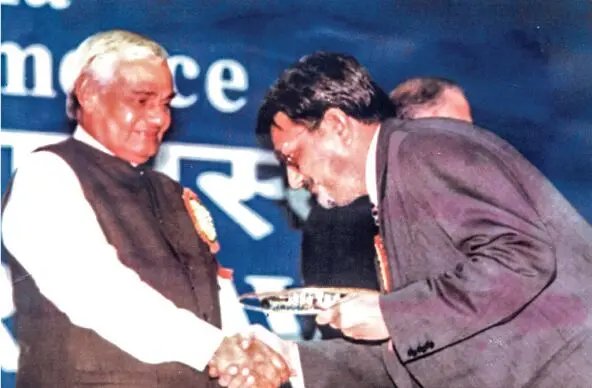
As a Three Star Export House recognised by the Ministry of Commerce and Industry, our commitment to excellence is reflected in ISO 9001, EN 14766, BSCI, AEO and ZED certifications — including a fully automatic disc paint plant.
Named complete bicycles importers ask for most — Cloudia, Hotride, Jessica, Highlander and more.
Since 1970 — decades of manufacturing experience as trusted suppliers of complete bicycles and bicycle parts.
We export to 65+ countries across Latin America, Europe, Asia and beyond — with reliable B2B delivery.
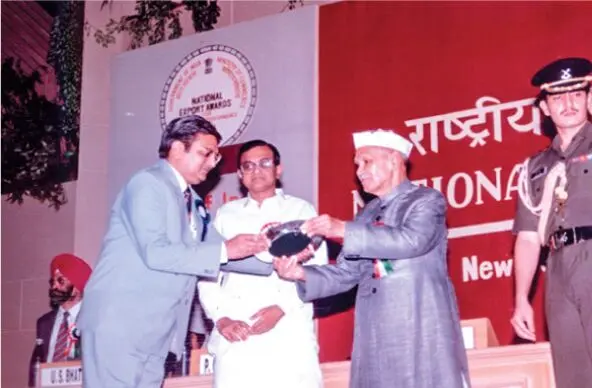
Recognised by the Government of India as a Three Star Export House in 2024.
ISO 9001, EN 14766, BSCI, AEO and ZED — export-ready quality systems.
Fully automatic disc paint plant for precision finish on complete bicycles and frames.
Customised complete bicycle and bicycle parts programmes for importers, wholesalers, distributors, OEM and private-label buyers.
Container programmes for complete bicycles and parts — FOB/CIF for global B2B buyers.
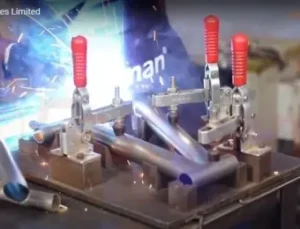
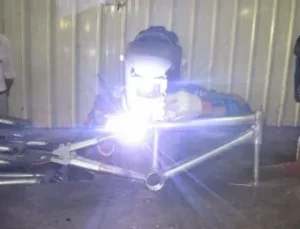
Advanced manufacturing, a fully automatic disc paint plant and certified quality systems — built for reliable B2B export programmes.
B2B importers and distributors across Latin America, Europe and Asia.
“Eastman has been our reliable complete-bicycle and parts supplier for years. Consistent finish quality and on-time container shipping into Mexico.”
“The catalogue depth is excellent and the export desk understands Brazilian B2B needs. Certifications gave our retail network real confidence.”
“From enquiry to CIF quote, communication is clear. Mixed bicycle and parts loads arrive well packed for our Colombia programme.”
“We source MTB and city programmes for EU distributors. Documentation is complete and colourway MOQs are handled professionally.”
“India and China parts ranges let us balance cost and lead time. Repeat orders for Southeast Asia have been smooth for three seasons.”
“Private-label kids bikes arrived on schedule with clean branding. Eastman is our preferred factory partner for Southern Europe.”
Container-ready complete bicycles and bicycle parts for importers, distributors and OEM buyers across Latin America, Europe and Asia.
Container-based export orders • mixed products available.
Practical answers for importers, distributors and OEM buyers working with Eastman.
Minimum Order: 1 × 20 ft container. Mixed products are allowed. Standard MOQ starts from 200 pcs per product; selected/custom products may require higher quantities. Final MOQ depends on specification, packing and destination.
Yes. They are equal commercial pillars handled by the same export desk. Whether they sail together depends on packing and production. Send both lists in one B2B quote request so loading can be checked.
Yes when volume and artwork are agreed — on complete bicycles and on parts. Send logos, colours and destination. We confirm labelling and packing on the quote instead of promising processes we cannot run.
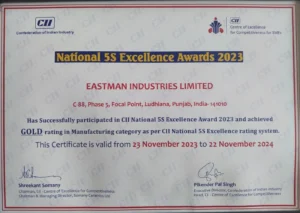
Typical files are commercial invoice, packing list and bill of lading. Certificate of origin and other papers are added when destination customs requires them. FOB and CIF are both discussed after we see the shipment size. Certified systems listed on this site include ISO 9001:2015, BSCI, AEO, ZED and National 5S.
Lead time depends on mix, finish, packing and production slot. Parts programmes often move faster than full bicycle colourways. Share your destination and target sail date in the enquiry so we can propose a realistic production and shipping window on the quote.
Eastman offers India-origin and China-origin bicycle parts as separate catalogues. Choose by specification, price band and destination preference. Many buyers mix both origins across a container. Compare category pages or ask the export desk which SKUs fit your market.
Sample policy is confirmed case by case. For serious B2B programmes we can discuss paid samples, courier cost and whether sample cost can be adjusted against a confirmed container order. Include sample SKUs and destination in your enquiry.
Payment terms are agreed per programme after credit review and order size. Common export discussions include advance plus balance against shipping documents. Exact terms are stated on the proforma — we do not publish a single fixed term that would not fit every buyer.
We plan loading by carton sizes, bicycle knockdown packs and destination rules. Mixed bicycle + parts loads are possible when packing allows. Tell us 20ft / 40ft preference and product list; the quote will outline a practical loading plan.
Key systems include ISO 9001:2015, BSCI, AEO, ZED and National 5S excellence, plus product-related standards such as EN 14766 where applicable. Certificates can be shared with serious buyers during the quote process.
After shipment, our export team helps with documentation follow-up, spare-part identification and repeat-order planning. Quality claims are handled with photos, batch details and agreed commercial process — contact salesbcd2@eastmanglobal.com or WhatsApp +91 91151 10415.
Eastman supplies 65+ destinations across Latin America, Europe, Asia and beyond. Use the Global Export Presence section or dedicated pages (e.g. /mexico, /brazil, /germany) for market-specific context, then send an enquiry with your country and product list.
Use any Request a Quote control on the site, the WhatsApp button, or email salesbcd2@eastmanglobal.com. Include company name, destination, products (or catalogue links), approximate quantity (20ft / 40ft / multiple) and buyer type so we can reply with MOQ, pricing and lead time.